

Peak May in Lucknow, and someone throws a mug of water at the screen hanging across the window. The room smells of wet earth about a minute before it starts to feel cooler.
That screen is khus, and khus is vetiver: the fragrance oil distilled from the roots of a grass native to India. It smells earthy, green and faintly smoky, with a damp coolness sitting underneath, and in perfumery it lives in the base, which is why you notice it most about an hour after you spray, not at the first press of the nozzle.
What does khus (vetiver) smell like?
Khus smells earthy, green and woody, with a cool damp quality and a thin line of smoke behind it.
Think of the ground under a big tree after the first rain. Not the rain itself. The soil. Add cut grass, a little citrus peel, and woodsmoke far back in the room. That's khus.
It's a base note, so it's built to stay. Top notes burn off in minutes, but the base is what's left at 7pm, and vetiver is one of the few materials that gets rounder on skin as it dries down instead of thinner. Drydown is the stage after the bright opening has gone, and vetiver is at its most interesting there.
Where it grows changes it more than people expect. Fragrantica's note profile calls Haitian vetiver clean and ethereal, and Javanese vetiver smoky and dusty. Indian khus, distilled the traditional way as ruh khus, sits greener and cooler than either.
Most people have worn it without knowing. If a men's fragrance you like reads clean but not soapy, vetiver is probably doing that work at the bottom.

Khus and vetiver: same plant, different name
Khus is the Indian name for vetiver, so yes, they're the same thing: same grass, same roots, same oil.
The botanical name is Chrysopogon zizanioides. CSIR-CIMAP's aromatic plant database lists it as native to India and notes that in western and northern India it's popularly known as khus.
One thing worth clearing up, because a lot of people search for it: khus and khus khus are not the same thing. Khus khus is poppy seed, the thing that thickens a korma, while khus is a root pulled out of the ground. Two different plants, one confusing pair of names.
The root part matters more than it sounds. Almost everything else in a bottle comes from flowers, peel, leaves, wood or resin, while vetiver comes from underground, which is exactly why it smells like soil and not like a garden.
Ruh khus is the traditional Indian distillation of that root oil, usually a deep green, and the version most Indian noses grew up around.
Why khus feels cooling in Indian heat
Khus reads as cooling because India used it as a physical cooling material long before it used it as a fragrance, and your nose remembers that faster than your brain does.
The mechanism is simple. Woven khus screens get hung across doorways and windows, then sprayed with water, and as hot air passes through the damp screen it cools by evaporation, the same principle running inside every desert cooler in North India. Mughal rulers were using khus this way by the 16th century.
Be clear about what's happening. A perfume with vetiver in it is not lowering your body temperature: the screen cools a room, the scent only cools the experience. Smell memory is real all the same, and for most Indians khus is filed somewhere next to wet mud, cold water and shade.
Here's my position on it. Khus is the most underused note in Indian perfumery, not because it's difficult to wear, but because khus sharbat filed it under drinks and it never quite climbed back out. That's a shame, because it holds its shape in heat better than nearly anything sweet does, which is the whole job of a summer fragrance in India.
Which MYOP perfumes have khus in them?
Three MYOP perfumes are built with vetiver: Blue, Afterparty and Moroccan Rose.
Blue pairs pink pepper and grapefruit over vetiver. It's fresh aromatic woody, listed for men, and the vetiver is what stops the grapefruit going fizzy and sweet. Easiest way in if you've never worn khus on purpose.
Afterparty runs bergamot and neroli up top with a base of vetiver and oakmoss. Unisex, and genuinely the calm end of a loud night. The oakmoss pulls the vetiver even greener.
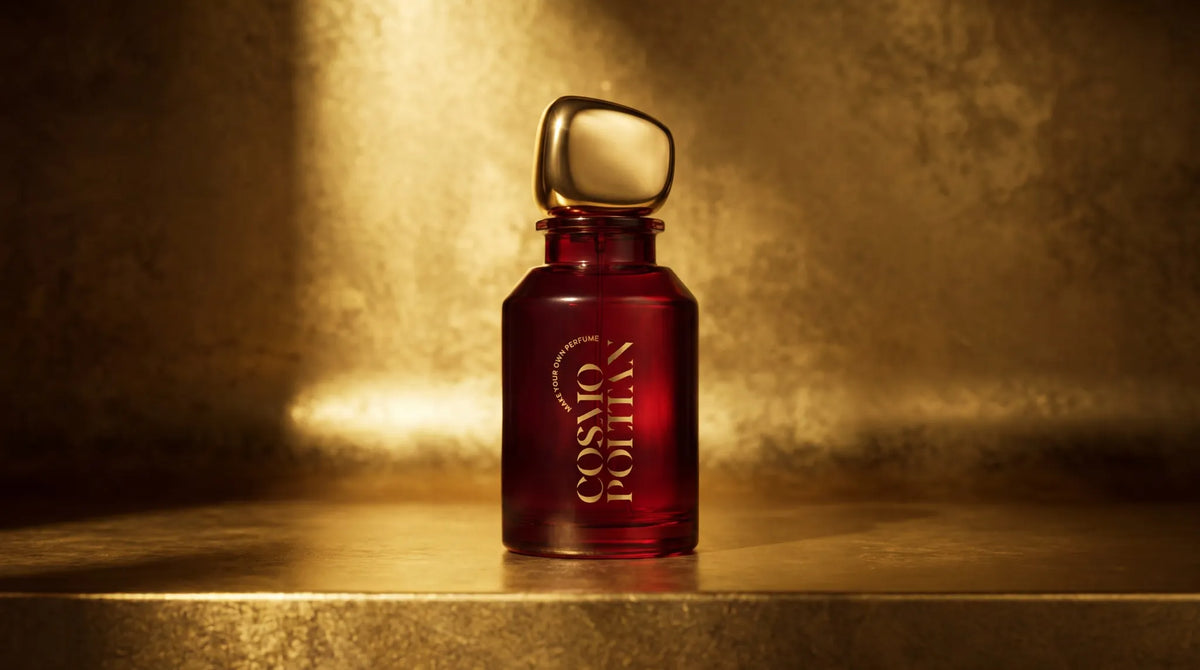
Moroccan Rose, from the Cosmopolitan Collection, does the interesting thing: litchi, rose and vetiver. Rose sitting on a root. Nobody expects it, and it works because the earthiness stops the rose turning powdery in the afternoon.
All three are blended at MYOP's 50% compound formulation, reformulated for tropical weather, which matters more for a base note than for any other part of a fragrance. A base note that evaporates by 2pm never gets to do its job. Like sandalwood, vetiver needs concentration behind it to reach the evening.

How to wear khus so it lasts through an Indian summer
Apply vetiver to moisturized pulse points, keep it to two or three sprays, and give it a full hour before you decide how you feel about it.
Vetiver at minute one is sharp, green and a bit severe, and at minute sixty it's soft, warm and earthy. People reject it at the counter because they're judging a note that hasn't arrived yet.
Moisturize first. Dry skin, common after a summer of AC, lets fragrance evaporate with nothing to hold on to.
If it feels too dry alone, put something bright on top: citrus, litchi and rose all sit well over it. That's perfume layering in one line, heavier and earthier down first, lighter on top, never the reverse.
And keep the bottle out of the bathroom. Steam and temperature swings break a fragrance down faster than age does, and vetiver, being a base material, is the part you miss most.
Khus and vetiver: your questions answered
Is khus the same as khus khus?
No. Khus is vetiver root, used in fragrance and cooling screens. Khus khus is poppy seed, used in cooking. The names sound alike. The plants have nothing to do with each other.
What part of the vetiver plant is used in perfume?
The roots. Vetiver is one of very few perfumery materials taken from below the ground rather than from a flower, leaf or wood.
Is vetiver a men's fragrance note?
It gets labelled that way, mostly because Western fragrance houses put it in men's lines for decades. It isn't: MYOP's Afterparty and Moroccan Rose are both blended as unisex.
Does khus perfume actually cool you down?
No. A watered khus screen cools a room by evaporation. A khus fragrance changes how the heat feels, not what the thermometer says.
What is ruh khus?
Ruh khus is the traditional Indian distillation of vetiver root oil, usually deep green in colour. It reads greener and cooler than vetiver distilled elsewhere.
Which notes go well with khus?
Citrus, pink pepper, rose, litchi and oakmoss. Bright things on top, earthy things underneath.
The root under everything
Somebody in your family watered a khus screen through a summer afternoon and never once called it perfume. It was. The same root is sitting quietly in the base of Blue, Afterparty and Moroccan Rose, doing work you only notice after an hour. Spray one at a MYOP store and come back to your wrist later.
This summer, skip the sweet. Go to the root. Find it at MYOP.
Share:
Perfume Notes Explained: Top, Heart, Base