
Oud has a reputation for being too much: too heavy, too smoky, too expensive to justify, and only for people who already know what they're doing with fragrance. That reputation is mostly earned by how oud gets used, not by what oud actually is. In small amounts, blended with something lighter, it reads warm and a little smoky, not overwhelming at all.
Here's what oud actually is, why it costs what it does, and which MYOP scents let you try it without committing to a full oud-forward bottle.
What Is Oud, Actually?
Oud is the resin a tree produces when it gets infected, specifically an Aquilaria tree defending itself against a mould. The scent people call oud, or agarwood, only forms in the wounded, resin-soaked wood, not in a healthy tree. That's the whole reason it's rare. Most Aquilaria trees never get infected at all, so most of the tree never becomes anything a perfumer wants.
The smell itself splits opinion because it's genuinely unusual. It's woody, but darker than sandalwood. Some people get smoke first, others get something closer to leather or old paper. That range is normal. Oud doesn't smell like one thing, it smells like whatever compounds that particular tree happened to produce while fighting off infection.

Why Oud Has a Reputation for Being Too Much
Oud earned its intimidating reputation from how it's traditionally sold and worn, not from the note itself. Pure agarwood oil, the kind sold as attar in the Middle East and parts of India, is worn nearly undiluted, in amounts that would overwhelm most rooms. That's the version people remember and assume all oud behaves like.
In a blended perfume, oud almost never shows up alone. It gets paired with rose, saffron, amber, or something sweet enough to soften it, and the percentage in the final formula is a fraction of what an attar wearer applies. The heaviness people associate with oud is really a dosage problem, not a character flaw in the ingredient.
That's also why a first-time oud experience should start in a blended perfume, not a pure oil. You get the warmth and the depth without the version that clears a lift.
Where Oud Actually Comes From (and Why Assam Matters)
Somewhere in a forest in Assam, less than one in ten Aquilaria trees is quietly turning into what perfumers pay the most for. Agarwood species grow wild across India's northeast, in Assam, Tripura, Arunachal Pradesh, Nagaland, Mizoram and Manipur, but only an estimated two to seven percent of those trees ever develop resin worth harvesting. A wild tree can take nearly a decade to mature before it's even a candidate.
That scarcity is the actual reason oud costs what it does. It isn't marketing. A perfumer isn't paying for a label, they're paying for a resin that most trees never produce and that takes years to form even in the ones that do.
How to Wear Oud Without It Wearing You
Apply oud the same way you'd apply anything you don't want to overdo: fewer sprays, on skin that's already moisturized, and let it dry down before deciding it's too much. Oud tends to open stronger than it settles, so the version you smell in the first five minutes is rarely the version you're wearing an hour later.
Pairing helps more than restraint does. An oud blended with something bright, like a rose or a spice note, gives your nose somewhere else to land instead of just registering smoke. If you already like woody scents like sandalwood, oud is a logical next step rather than a leap.
Evening wear is the easier entry point than daytime. Oud's warmth reads better once the temperature drops, and a single spray at the collarbone in the evening does more work than three sprays would at 9am.
MYOP Scents Where Oud Plays a Supporting Role
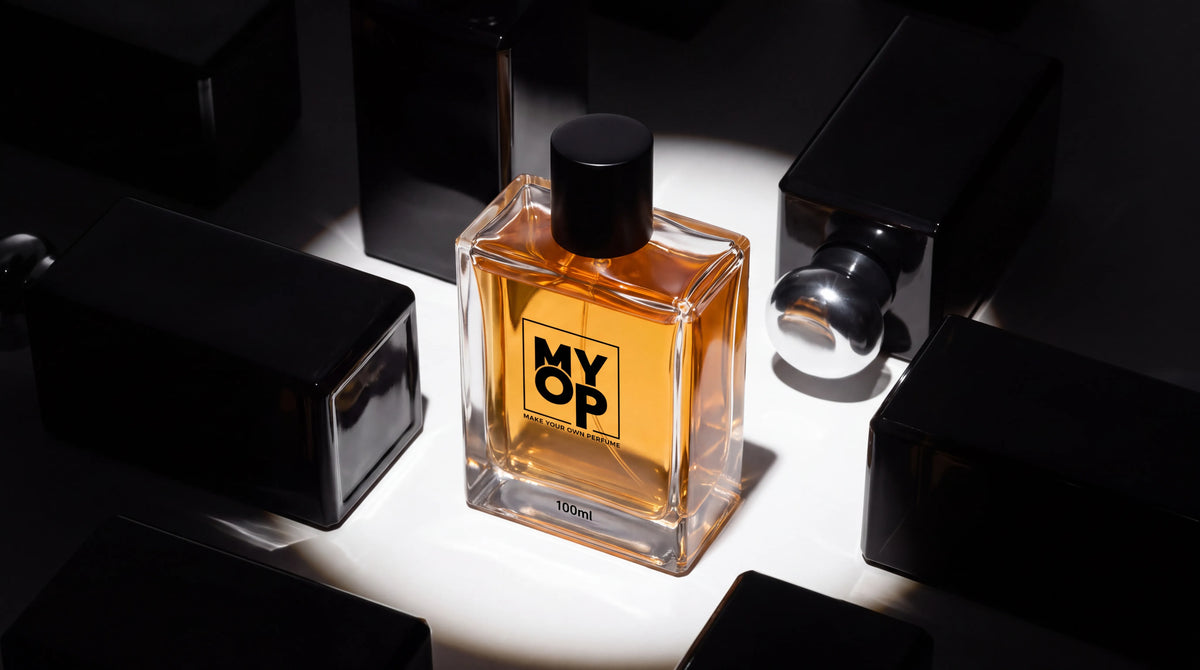
MYOP doesn't sell a straight oud bottle, and that's actually the easier way in. Oud for Greatness leads with agarwood alongside raspberry and warm spice, so the fruit and saffron keep it from reading as pure wood smoke. It's built as a warm, evening-leaning scent rather than something meant to announce itself all day.
Purple Mystique takes a gentler route, folding oud in with nectarine and lavender, which pulls the whole thing toward soft and mysterious instead of heavy. It's a reasonable pick for someone who wants to know what oud does to a fragrance without going all in on it.
Oud De Beirut, from the Cosmopolitan Collection, pairs oud with Turkish rose and benzoin, and it's the closest of the three to a traditional Middle Eastern oud profile, just built to actually wear rather than to overwhelm a room. If you want to test how you feel about oud specifically, this is the one to start with.
FAQ
What does oud actually smell like?
Woody and darker than sandalwood, with notes that can read as smoky, leathery, or like old paper depending on the specific resin. It varies more than most notes because each tree produces slightly different compounds while fighting infection.
Why is real oud so expensive?
Only an estimated two to seven percent of Aquilaria trees ever produce resin worth harvesting, and a wild tree can take nearly a decade to mature. The cost reflects scarcity, not branding.
Is oud too strong to wear during the day?
Pure oud oil can be. A blended perfume with oud as a supporting note, applied lightly, works fine during the day. Evening is still the easier starting point.
Can beginners wear oud, or is it only for experienced perfume wearers?
Beginners can wear it, as long as they start with a blended perfume rather than a concentrated attar. That's the version built to be worn, not just admired.
Which MYOP perfume is the easiest way to try oud?
Purple Mystique, since it treats oud as one note among several rather than the whole point of the scent.
Does oud work in humid Indian weather?
Yes. Every MYOP perfume, oud-forward or not, is built on the brand's 50% compound formulation, reformulated for tropical weather, so it holds up through an Indian afternoon the same as any other scent in the range.
Conclusion
Oud doesn't have to be a whole event. Worn right, it's just warmth with a little smoke in it.
Try it blended first. Find yours. Make it MYOP.
Share:
Inside a MYOP Fusion Session: What Happens at the Table